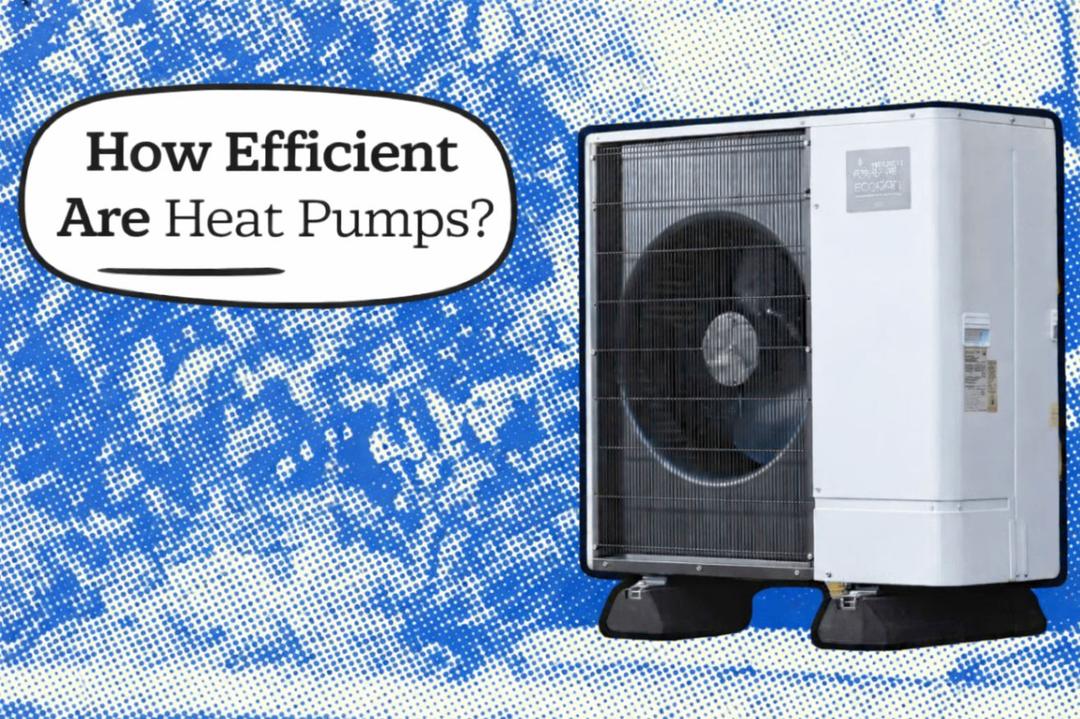

Thinking about switching to a heat pump? Find out how efficient they are here (spoiler alert: they blow boilers out of the water)
Heat pumps are one of the best, eco-friendly alternatives to gas boilers. With one, you can keep your home warm and still get hot water, all without burning fossil fuels.
And, with the UK government’s Boiler Upgrade Scheme (BUS), you can save up to £7,500 off the total cost. Not bad right?
Heat pumps are also much more efficient than gas boilers – typically 200% - 400% more efficient in fact, because heat pumps move heat rather than create it (which boilers do).
In this article, we’ve covered exactly how efficient heat pumps are. We’ve also provided some practical advice on how you can make your heat pump more efficient.
If you’re settled on getting a heat pump, we can help. All you need to do is fill in a few details about your home, and we’ll give you an obligation-free quote in no time at all.
Key Points:
Heat pumps are typically at least three times more efficient than gas boilers
Some models can be as much as five times more efficient
You can save money on a new heat pump with the Boiler Upgrade Scheme
Home improvements can make a heat pump even more efficient
The better a heat pump’s SCOP score is, the more efficient it is
What Impacts Heat Pump Efficiency in Real Homes?
Heat pump efficiency in real homes is what we really want to know - there’s little point only looking at efficiency in perfect conditions, something your home will rarely reflect.
Let’s take a look at some of the key factors impacting heat pump efficiency in real UK homes:
Flow Temperature
Firstly, heat pumps almost always run at a lower flow temperature than gas boilers. This is why some heat pump installations require you to install larger radiators and/or underfloor heating (UFH), as lower flow temperatures typically need a bigger surface area to effectively distribute heat.
But it also means heat pumps are much more efficient than gas with the heat they provide – a lower flow temperature requires less energy.
Insulation
Insulation also has a huge impact on how efficient a heat pump can be. The better insulated your home is, the more heat it can keep in and this is why we usually suggest a fabric-first approach to making your home more energy efficient.
While you can still get a heat pump and benefit from one, we’d recommend at least making some insulation improvements to your home.
You don’t need a full retrofit, but if you don’t have the basics such as loft insulation, it’s worth considering (and insulating your loft is one of the most cost-effective ways to improve your home’s energy efficiency).
Read more:
How To Improve EPC Rating (From E to C)
Setup
How a heat pump is set up to operate has an impact on efficiency too. Many heat pumps come with options to compensate for weather, adjust to heat specific zones, and maintain a consistent temperature (rather than just being on or off).
Most heat pump models come with apps you can use to tweak settings such as these, and it’s well worth learning so you can make your heat pump more efficient - and better able to save you money on your energy bills.
Hot Water Strategy
It’s most efficient to use a heat pump to heat your water when the weather is warmer outside.
Heat pumps don’t have to work as hard when the air is warmer, so during the day is typically when you want to use it to heat your water.
If you’re on a time-of-use tariff where it’s cheaper to use electricity outside of peak hours (typically during the night), it would actually be better to heat your water during these times.
Cold Weather
Cold weather negatively impacts a heat pump’s Coefficient of Performance (COP), meaning it has to work harder to keep your house warm and your water hot.
A heat pump’s COP is a measure of its heating efficiency at a specific moment.
This is why it’s best to look at a heat pump’s Seasonal Coefficient of Performance (SCOP) as a more accurate measure of its overall efficiency.
The SCOP is a measure of a heatpump's efficiency across an entire year, rather than just at a specific point.
Read more:
SCOP & SEER Ratings Explained: What They Mean for Your Energy Bills
Heat Pumps Vs Gas Boilers
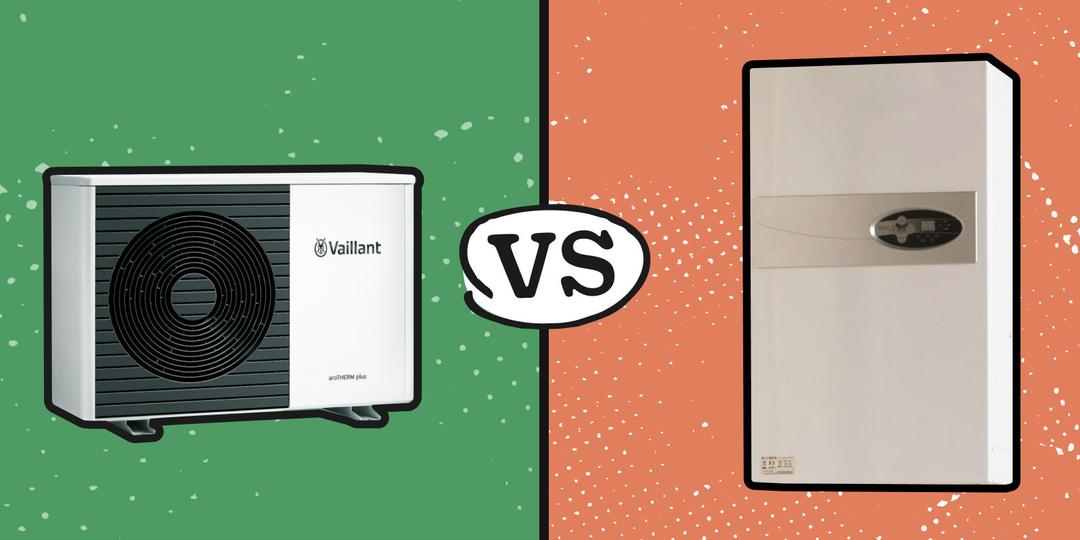
Heat pumps are more efficient than gas boiler boilers by some margin – even the most efficient gas boilers rarely push past 97% efficiency, yet well-designed heat pumps regularly exceed 280% (the very best can reach 400% or more).
Efficiency in heat pumps and boilers is a measure of how they convert energy into heat. So for a heat pump running at 300% efficiency, this means it’s converting one unit of energy into three units of heat.
That also makes heat pumps much better for the environment, and when electricity prices fall (which they will as more renewables are added to the grid), heat pumps could cost a good deal less to run than a gas boiler.
Right now however, it is typically more expensive to run a heat pump, but not by much.
According to the Energy Saving Trust, running a heat pump costs just £14 more than running a new A-rated gas boiler.
If you have an old G-rated boiler though, a heat pump could cost around £340 less to run, making switching to one even more attractive.
There are also energy tariffs available that can help with heat pump running costs, such as Octopus Energy’s Cosy Octopus tariff.
This gives you three times of the day to heat your home for less with cheaper rates. Using a heat pump during these times to heat your home and water could save you an extra £389 on your electricity bills (according to Octopus Energy).
Read more:
Best Heat Pump Brands & Manufacturers in 2026
How To Make Your Heat Pump More Efficient
There are few steps you can take to make your heat pump more efficient, and in doing so help you save more money.
We’ve split these steps into pre-installation and post-installation:
Pre-installation
Insulation: If you’re missing key insulation, try to get this sorted before installing a heat pump. As heat pumps don’t emit as much heat as boilers, they can suffer in leaky homes. Focus on insulating your loft first as around 25% of your home’s heat is lost through a poorly insulated roof.
Then, draught proof any doors, windows or areas around pipes leading to external walls. Don’t however block extractor fans, wall vents, or airbricks as these allow ventilation for essential reasons, such as keeping wooden joists and beams dry.
As we stated earlier, you don’t need a complete insulation retrofit in order to benefit from a heat pump, but making some improvements will go a long way to improving your heat pump’s efficiency.
Upgrade your radiators: You’ll want large enough radiators to make sure your heat pump warms your house effectively. Heat pumps run at lower temperatures than boilers, so if your radiators are too small they won’t be able to properly heat a room up.
Get a smart meter: You can ask your supplier for a smart meter if you don’t already have one. Having a smart meter also means you can potentially benefit from heat pump tariffs, such as Cosy Octopus by Octopus Energy or Heat Pump Plus from OVO (both these suppliers made our list of the UK’s greenest energy suppliers).
Heat pumps also pair very well with smart thermostats, especially those specifically designed for heat pumps. Thermostats from Nest, Hive, Honeywell, and tado° are generally the best choices.
Consider other tariffs: Heat pumps are powered exclusively by electricity, and with electricity being more expensive than gas, you might want to look for a tariff with cheaper electricity.
Time-of-use tariffs typically have much lower prices per kWh during specific times of the day (off-peak hours), and you can take advantage of these times to heat your water, for example.
Keep in mind that despite electricity being around four times more expensive than gas, heat pumps are so much more efficient than gas boilers that the running costs don’t tend to be that different.
Read more:
Best Heat Pump Installers in the UK
Post-installation
Defrost cycles: This is when a heat pump reverses the flow of the refrigerant within it to defrost the outdoor coil when the temperature drops below a certain limit (typically 5°C).
Most modern heat pumps will run this defrost cycle automatically, but you can still help by making sure you keep the outdoor unit clear from leaves, debris, or anything else that might limit air movement (such as snow).
Maintenance: It’s a good idea to schedule a visit from a heat pump engineer once a year. They can check the system is running optimally and replace refrigerant if needed.
Combine your heat pumps with solar panels and batteries: You can maximise what you save on your energy bills if you have solar panels and a storage battery powering your heat pump.
If you can also charge your storage battery with cheap, off-peak electricity from a time-of-use tariff, you could save even more money.
Keep your heat pump running: This might sound contrary to saving money, but keeping your heat pump running at a low temperature throughout the day can make it more efficient.
Basically, turning it off and allowing your home to get cold means the heat pump has to work much harder to warm the property up again.
How Heat Loss Calculation Impacts Heat Pump Efficiency
Heat loss is simply a measure of when there’s a difference in temperature. As it applies to your home, a heat loss calculation looks at how quickly heat escapes.
You’ll want a heat loss calculation done before you get a heat pump installed, because otherwise you might not get the right sized system for your home.
Too small a heat pump, and it’ll struggle to heat your home efficiently. Too big, and you’ll be stuck with a heat pump consuming more electricity than is needed to keep you warm.
Heat loss calculations are typically done by your installer before the heat pump is installed, so they’ll know exactly what size heat pump your home will need.
Read more:
How to Calculate Heat Loss in a House (Formula Explained)
Are Heat Pumps Efficient in Winter?
Heat pumps still work brilliantly at keeping you warm in winter, but they’ll be a bit less efficient.
As the outside temperature drops below freezing, heat pump efficiency will drop to around 200% (or a COP score of 2.0), which is still a little over twice as efficient as any gas boiler.
What Is a Good SCOP?
You’ll want a SCOP score of around 3.5 or higher. Be aware that the SCOP is a measure of a heat pump’s efficiency throughout the year, and its COP score will fluctuate depending on the season.
COP scores for heat pumps will be lower in the winter, as heat pumps need to work harder to generate the same warmth, and higher in the summer, when the outside air is warmer.
Do Heat Pumps Work in Older UK Homes?
Yes, heat pumps work just fine in older homes, but how effective they’ll be will depend on the level of insulation and whether the property has large-enough radiators installed (and/or UFH).
To be clear, it’s a myth that heat pumps only work in new builds. Studies done by the Energy Systems Catapult (ESC), an independent research and technology organisation set up by the UK government, suggest heat pumps work just fine in older homes. These include Victorian terrace houses and 1960s flats.
And, an organisation in Europe called the Fraunhofer Society found that heat pumps still outperformed gas boilers even in properties over 100 years old.
Next Steps For Your Heat Pump Journey:
When planning to install a heat pump for your home, there are several important factors to consider. Make sure to refer to the following guides to help you make informed decisions:
To dive deeper into these topics, head over to our advice section or check out our YouTube channel to learn more.
Get A Quote From Us Today
Without boasting, get your new heat pump quote and buy from us, here’s why:
Gas Safe installation within 24 hours.
Thousands of satisfied customers with an average score of 4.9 on Trustpilot, surpassing the market leader.
Which? Trusted Trader: Heatable is proudly recognised as a Which? Trusted Trader.
Flexible payment options, including interest-free finance.
Up to 12-year guarantee on selected heat pumps.
Fixed price guarantee: No hidden costs.
Save your quote and decide later.
Get an instant fixed price on a heat pump, here.
Heat Happy.